
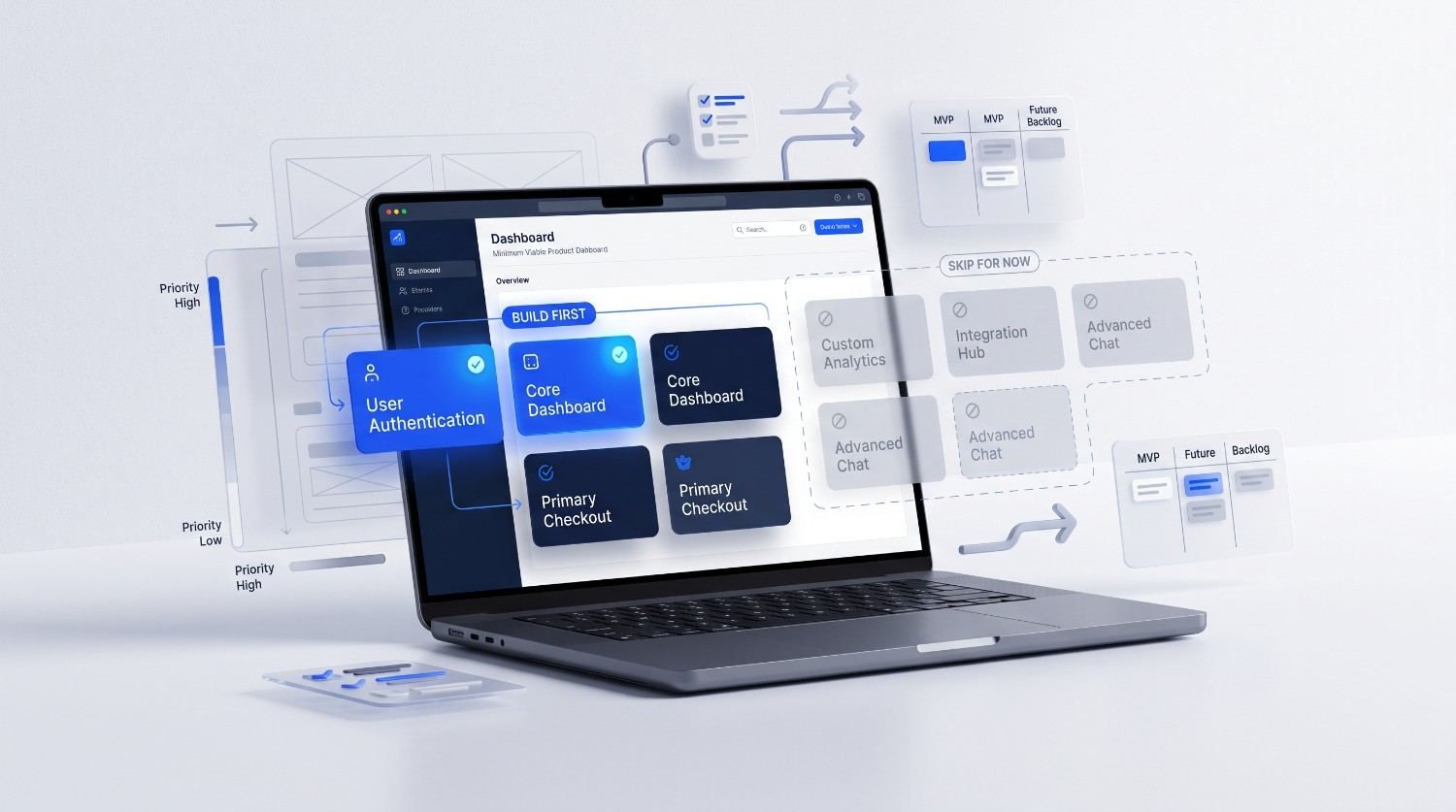
Most MVPs don't fail because a team built too much or too little in some general sense; they fail because the specific features included or cut were the wrong ones for what the product actually needed to prove. MVP development done well isn't about building the smallest possible version of a product; it's about building only what's needed to test one real hypothesis, which is a very different filter than "keep it small."
Quick Answer: The MVP Scoping Rule
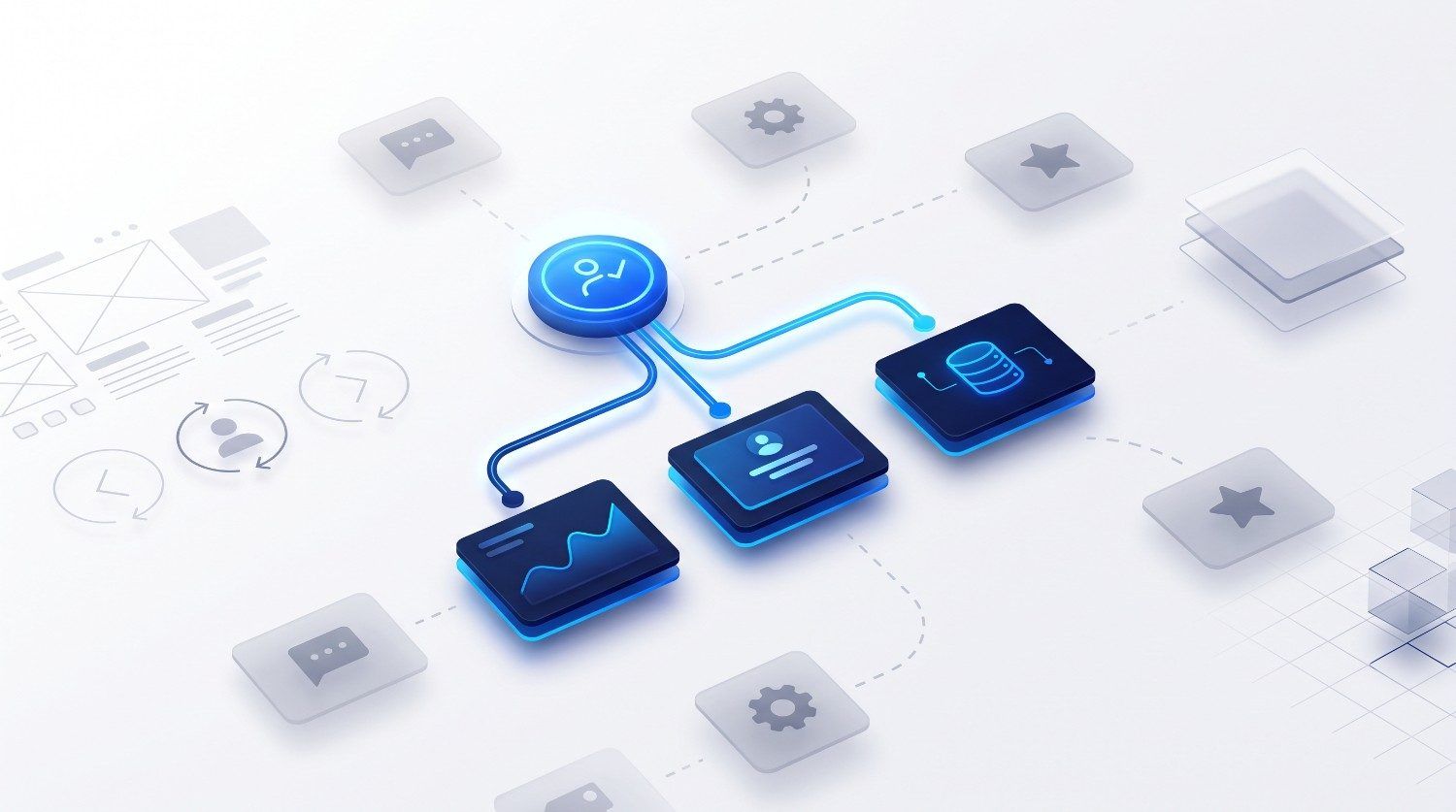 Define one core user action and build only the features needed to test it.
An MVP should include only the features required to let a real user complete the one core action that tests the product's core hypothesis. Everything else secondary features, admin tooling, edge-case handling, scale infrastructure should be deferred until after launch, once real usage data shows what's actually worth building next.
What Is an MVP, Really?
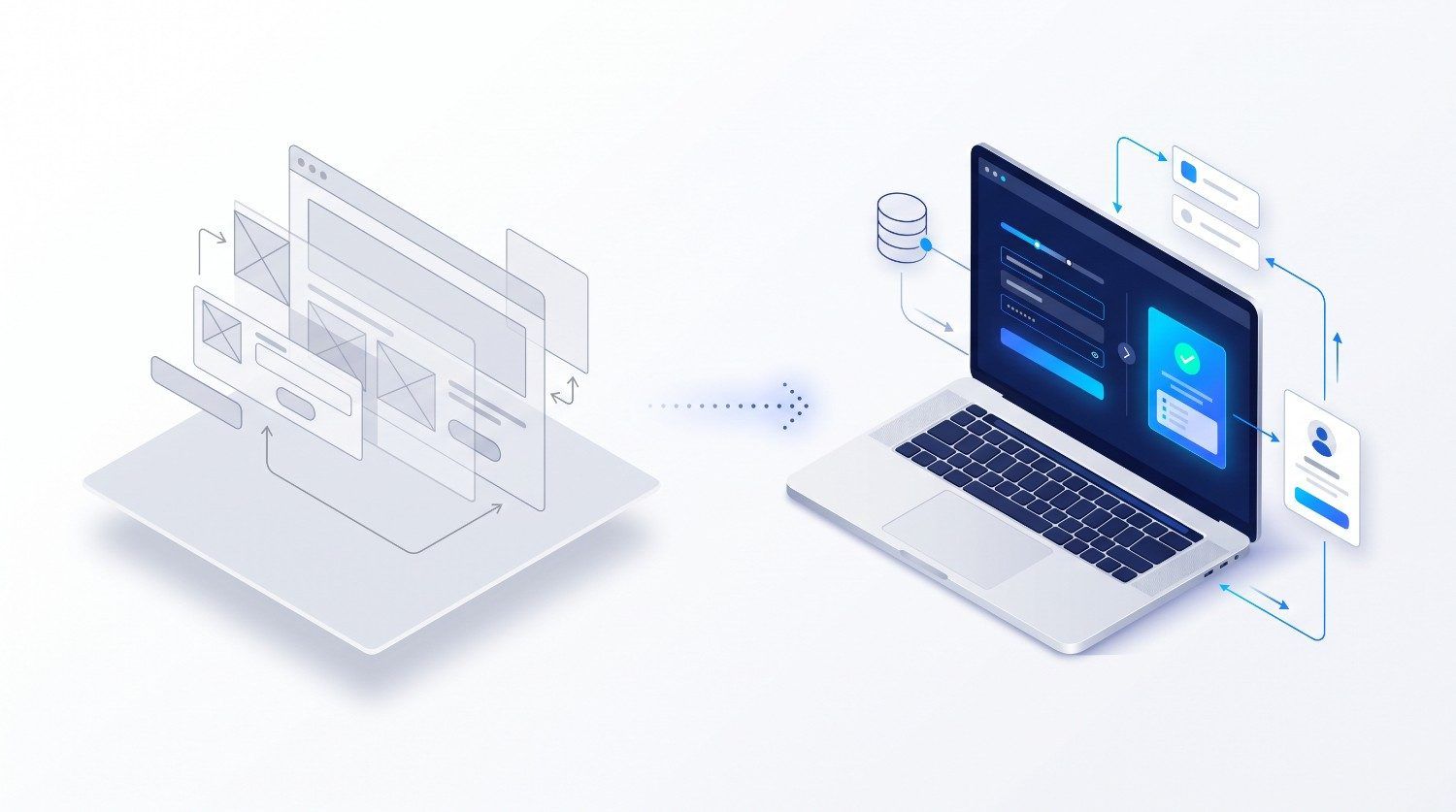 An MVP is a working product designed to test an idea with real users.
MVP (Minimum Viable Product): A working version of a product built with only the features necessary to let real users complete one core action and test one core hypothesis. This is distinct from a prototype, which demonstrates an idea without being fully functional, and from a full-featured v1, which tries to serve every intended use case from the start.
The term "minimum viable product" comes from Eric Ries's Lean Startup methodology, and the confusion most people run into is treating "minimum" and "viable" as if they mean the same thing. Minimum refers to scope: as few features as possible. Viable refers to function: the product has to actually work well enough for a real user to complete the core action being tested, not just gesture at what the product might eventually do.
A prototype can fake this. A clickable Figma mockup can demonstrate a booking flow without anyone actually being able to book anything. An MVP has to be real enough that a user's completion (or failure) of that core action produces an honest signal about whether the underlying idea works.
The Feature-Sorting Framework: What to Build First
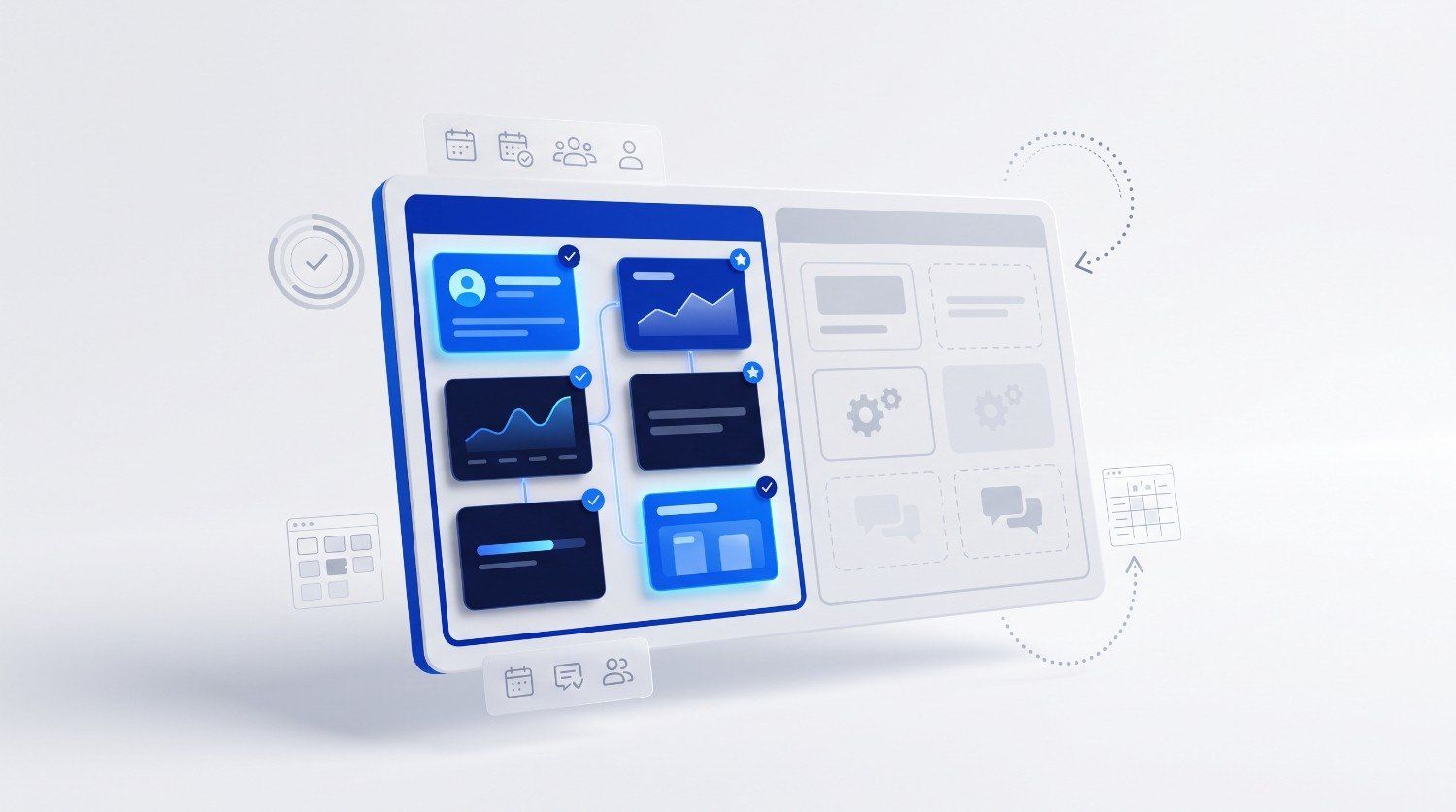 Prioritize features by how directly they support the product's core hypothesis.
The fastest way to decide what belongs in an MVP is to work backward from a single question: what one action does a user need to complete for this test to mean anything?
Write down the core hypothesis in one sentence. Not "people will like this app," but something testable: "Local service businesses will pay for a way to accept online bookings without calling a scheduling company."
Identify the single core user action that tests it. For the hypothesis above, that's a customer successfully booking a real appointment through the app, not browsing, not creating an account, not leaving a review.
List only the features required for that one action to work end to end. For a booking MVP, that likely means: a service listing, a calendar/availability view, and a working booking confirmation nothing more.
Treat every other feature as a candidate for the skip list, regardless of how reasonable it sounds in a planning meeting.
This usually breaks when teams treat the feature list as a wishlist to trim rather than starting from the core action and building outward. Starting from "what do we want" and cutting down tends to leave in features that feel important but aren't actually required for the test; starting from "what does this one action require" tends to produce a tighter, more honest list.
What to Skip (and Why It's Safe To)
 Defer nonessential dashboards, automation, and advanced infrastructure until validation.
Certain categories of features are almost always safe to defer, regardless of the specific product, because they support scale or convenience rather than the core hypothesis itself.
Admin tooling and dashboards: Manually handling what an admin panel would automate (updating listings, checking bookings) is usually fine at MVP scale, since the volume is low enough to do by hand.
Edge-case handling: Rare scenarios (a user in a different time zone, an unusual input format) can typically be handled manually or ignored entirely until the core flow is validated.
Scale-related infrastructure: Caching, load balancing, and performance optimization for high traffic are rarely relevant when an MVP might see a handful of real users in its first weeks.
Secondary user roles: If the core hypothesis only requires testing one type of user (e.g., the customer booking, not the business managing bookings), the second role's interface can often be a manual process behind the scenes instead of a built feature.
A common issue is treating "safe to skip" as "unimportant." Admin tooling and scale infrastructure matter they're just not what determines whether the core hypothesis is true, which is the only question an MVP needs to answer.
The Other Mistake: Cutting Too Much
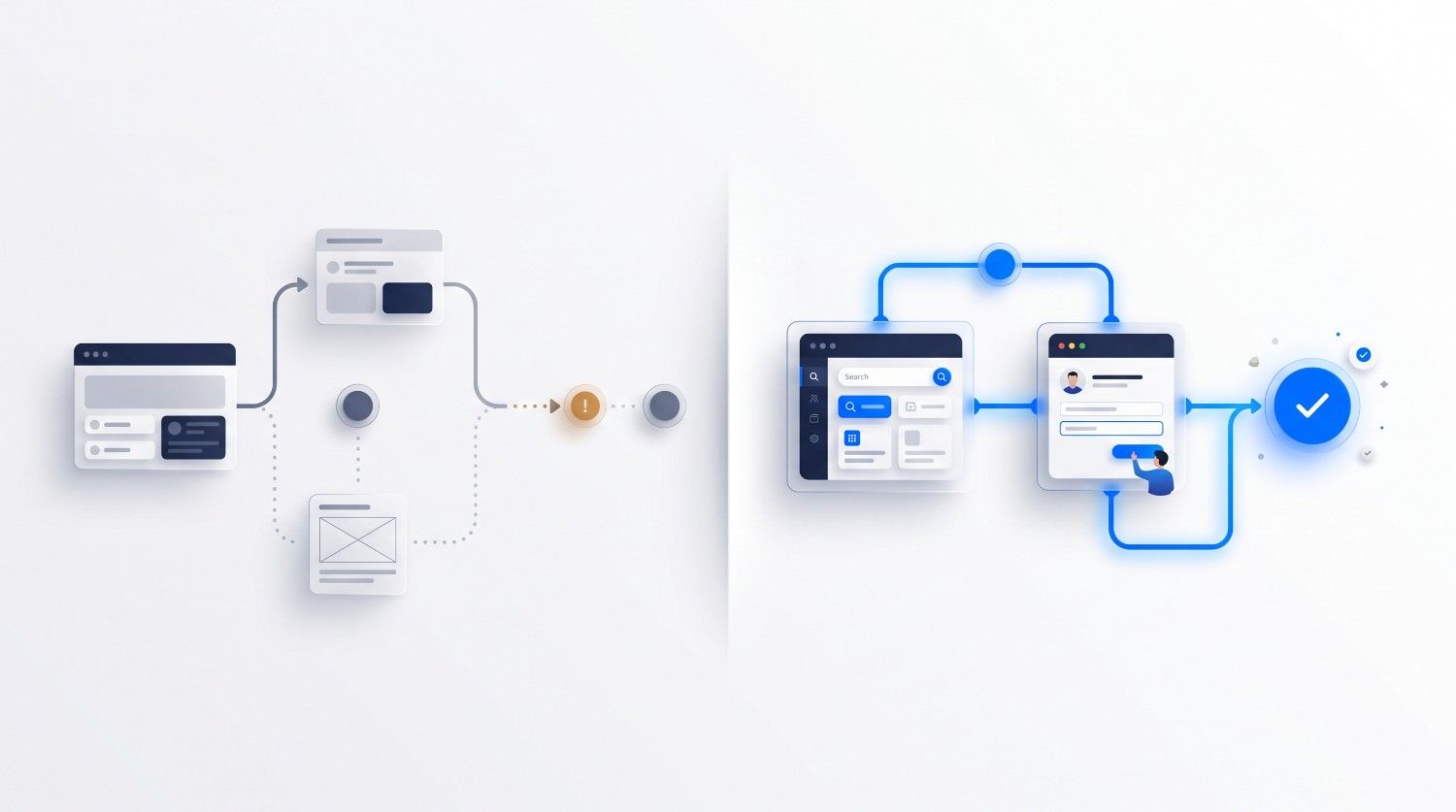 A lean MVP must still support the core user journey from start to finish.
Yes, an MVP can be too minimal. If the core user action isn't fully supported, the MVP can produce a false negative, making a viable idea look like it failed simply because users couldn't actually complete the key task, not because they didn't want to.
Most competitor advice only warns against overbuilding, but underbuilding is just as damaging, since it wastes the same launch and learning cycle without producing a trustworthy result. If a booking app's MVP lets users browse services but the actual booking confirmation is broken or missing, a low conversion rate doesn't tell you the idea failed; it tells you the test never actually ran.
The practical difference between a lean MVP and a broken one is whether the core action works end to end, even if everything around it is manual or unpolished. A booking flow with an ugly interface but a working confirmation is a valid MVP. A polished interface with a booking button that doesn't actually confirm anything is not.
Build vs Skip - A Worked Example
Seeing the framework applied to a real feature list makes it easier to apply to your own product than reading the rules alone.
For a hypothetical booking app MVP testing whether local service businesses will pay for online booking:
Feature | Build Now or Skip | Why |
Service listing page | Build Now | Required for the core action; a user needs to see what they're booking |
Availability calendar | Build Now | Required for the core action; determines what can actually be booked |
Booking confirmation | Build Now | This is the core action itself; the MVP fails without it working |
User account creation | Skip | Bookings can be tied to an email address without a full account system at this stage |
Admin dashboard for business owners | Skip | Business owners can be sent bookings manually via email or a shared spreadsheet initially |
Multi-language support | Skip | Not required to test whether the core booking flow works for the initial audience |
Automated reminder notifications | Skip | Manual follow-up is sufficient to validate demand before automating |
Depends on the hypothesis | Build Now only if the hypothesis specifically tests willingness to pay upfront; otherwise, a "pay at appointment" flow can validate booking behavior first |
The payment row shows why this framework requires judgment, not just a checklist; the same feature can be a "build now" or a "skip" depending on exactly what the core hypothesis is testing.
What Comes After the MVP Launches
What to build next should come from what the MVP actually revealed, not from simply building the features that were originally cut.
Once real users have gone through the core action, usage data and direct feedback typically point to a much shorter, more accurate priority list than the original planning conversation did. A feature that seemed essential in scoping might turn out to matter far less than something users kept asking for that nobody anticipated.
A better way to think about this than "now let's build everything we skipped" is to treat the skip list as a starting point for a new round of prioritization, filtered again through real evidence, not a queue to work through in order. Some items on the original skip list may never need to be built at all if usage patterns show they wouldn't have mattered.
Conclusion
An MVP should include only what's needed to test one core hypothesis through one core user action; everything else can typically wait until real evidence says otherwise. Cutting too much is as real a risk as overbuilding; an MVP that can't support its core action produces a false negative, not a valid test.
What to build after launch should come from real usage data and feedback, not the original list of features cut during scoping.
If you're working through what belongs in your own MVP, talk to our team about scoping it; we'll help you separate what actually needs to be built first from what can wait.